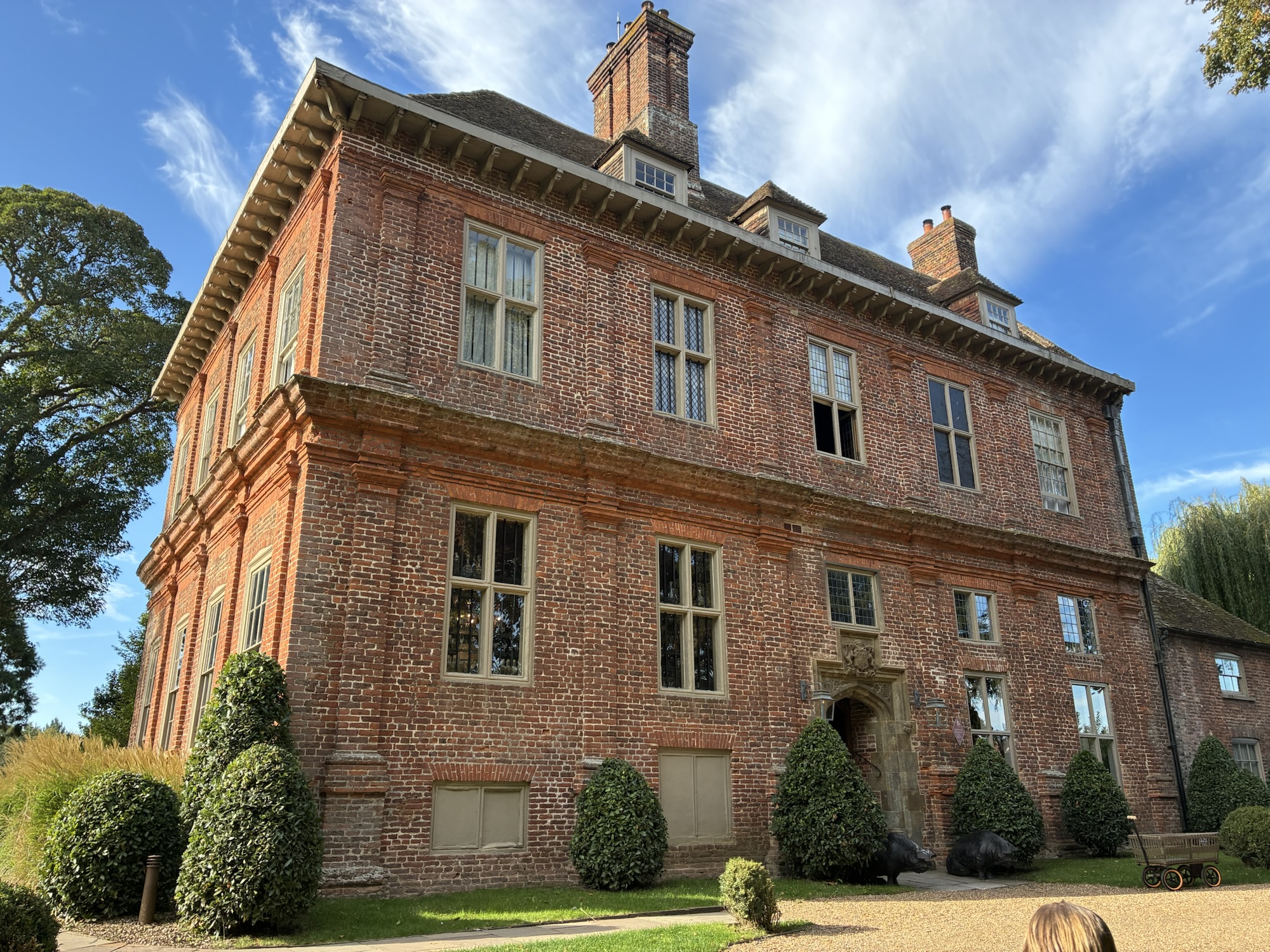
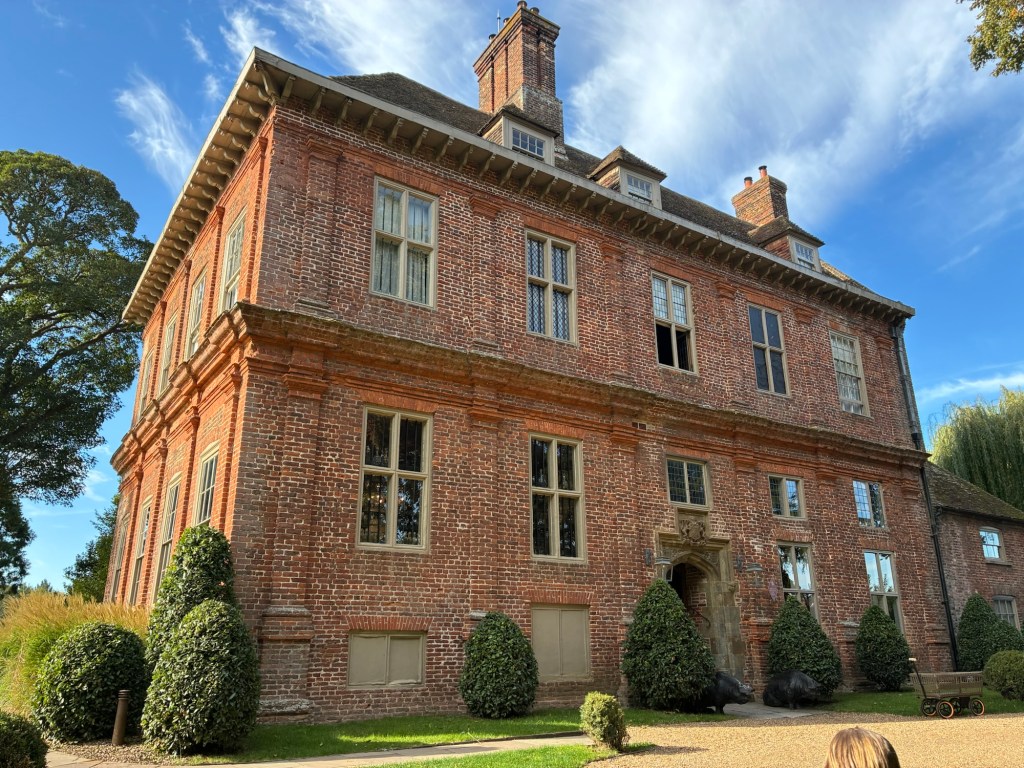
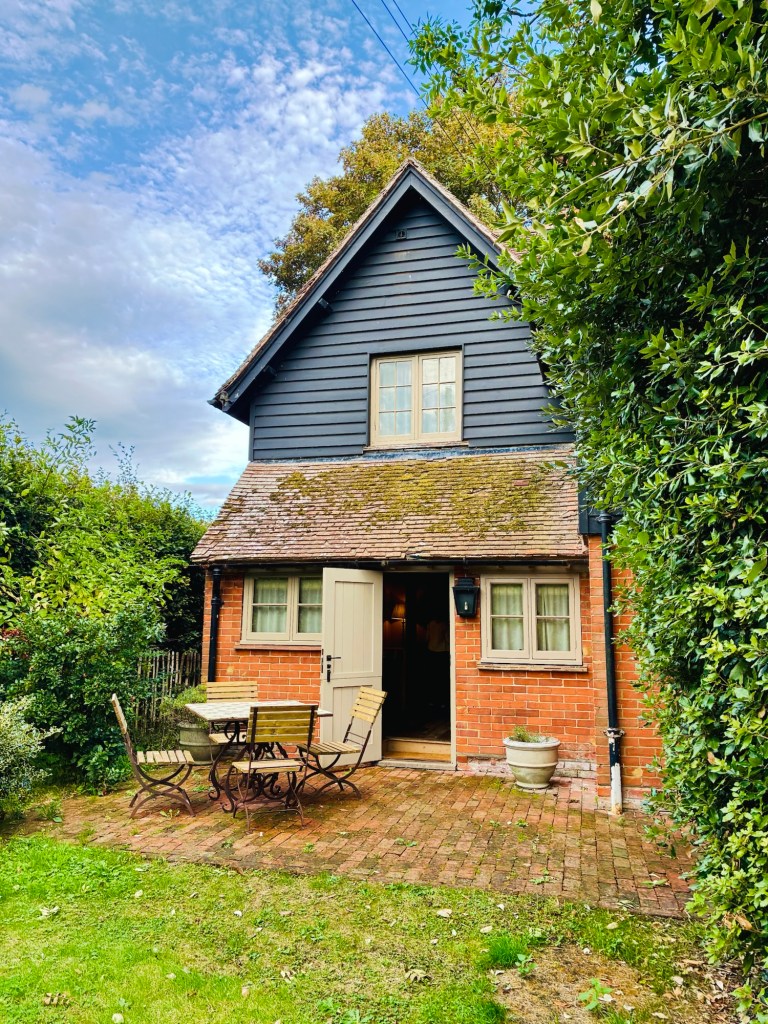
After a few successful Pig trips, we ventured to Kent to explore another Pig for Gustav’s 53rd birthday. We left just after school on Friday and was very pleased to find our Lodge 2, a little Kentish cottage within the grounds of a pretty eccentric Jacobean country house with a rock-and-roll past. Nicely decorated, well stocked up and ready for the weekend. It felt like a little private country hideaway rather than a hotel room and this is exactly what we were hoping for. It has that very PIG aesthetic: deliberately relaxed and slightly quirky — rustic timber, vintage/antique-feeling furniture, warm lighting and lots of tactile, natural materials rather than anything polished or conventionally luxurious. We loved the separation from the main house and the views over the fields with grazing sheep.
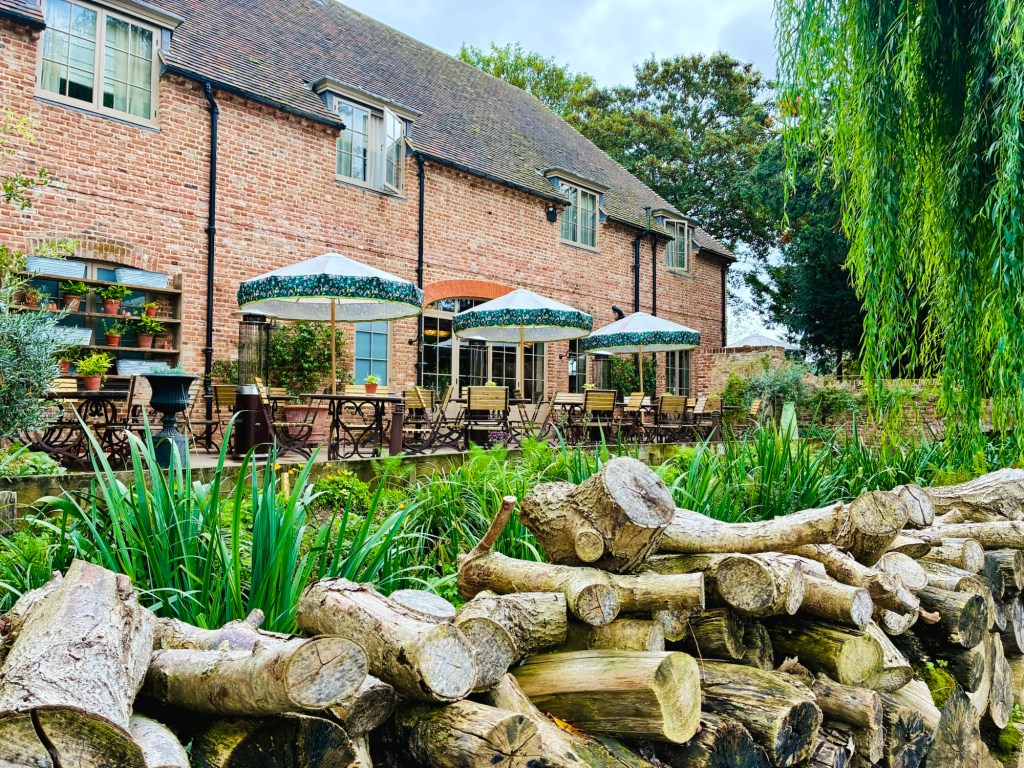
On our first evening we went to the Bridge Arms for dinner and I was relieved to see that they stayed true to the promises on the website – super relaxed atmosphere, quality ingredients, serios about the food, overall a fantastic start to our birthday weekend.
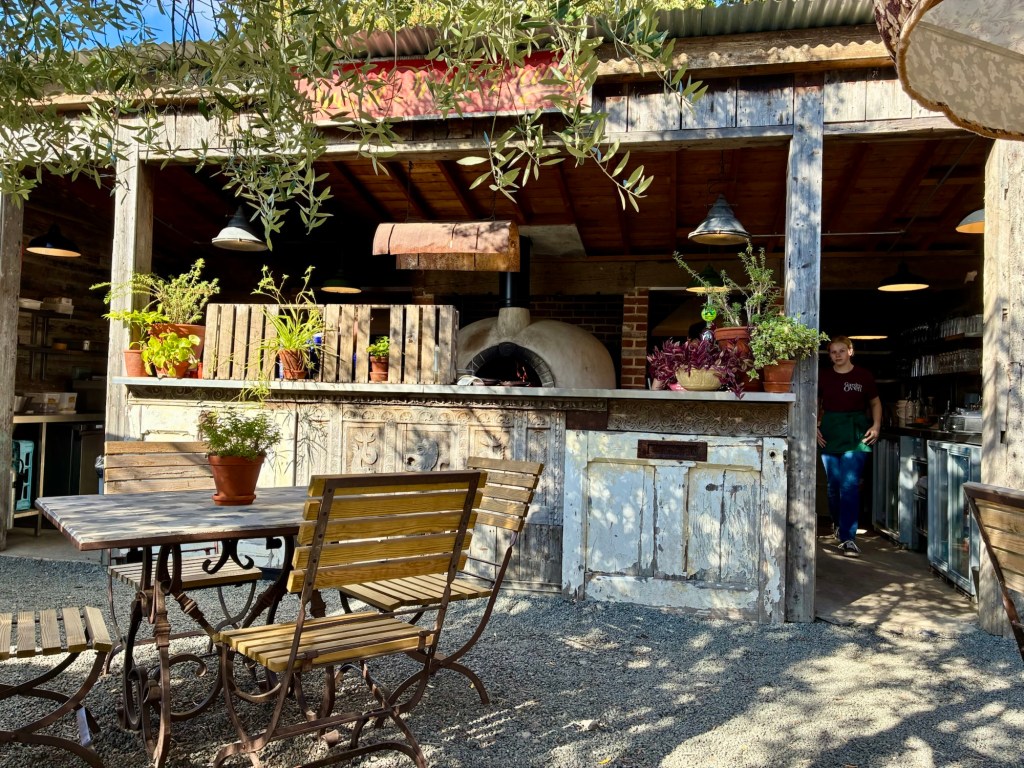
On Saturday after a great birthday breakfast at the Pig, we went on a walk chasing local wine farms. Unfortunately. Simpsons was closed on the weekend and our second option looked closed too :(.Even without the wine tasting treat, we had a wonderful walk around Bridge , got some steps in and some exercise and qualified for a lovely lunch at the Garden Oven.
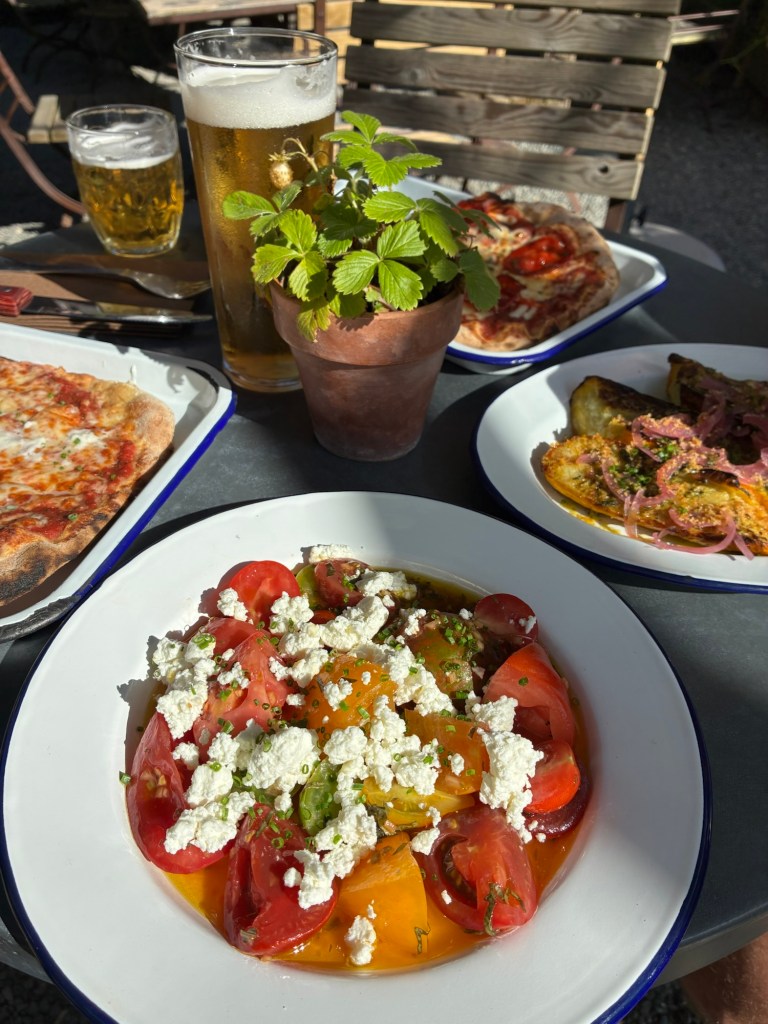
Dinner at this Pig was delicious, we would definitely be keen to come back (I couldn’t help myself and had to order more tomatoes , amongst other things, of course). I went for fish (another obvious choice!) and I was not disappointed. As with all the other Pigs, the 25-mile menu was there, and the 0-mile oyster mushrooms too. I love their circular approach: coffee grounds that would otherwise be waste become a growing medium for edible mushrooms.
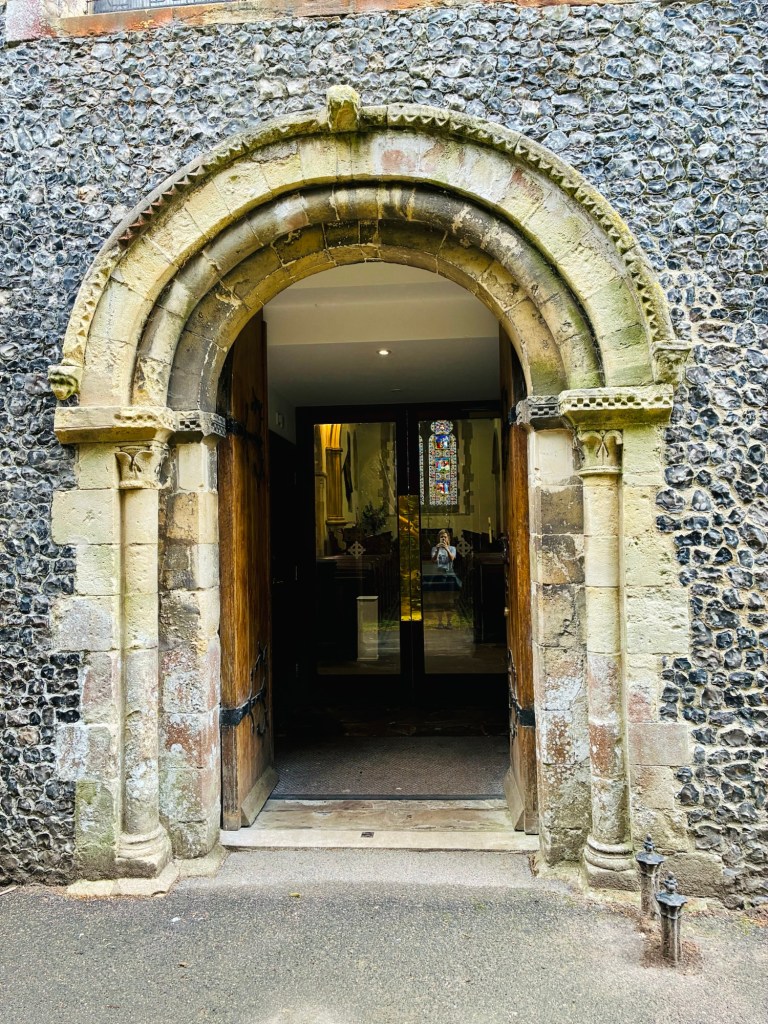
St Peter’s Church, Bridge has 2 (!) Norman arches from the 12th century, ~ 850–900 years old. They preserve authentic Norman craftsmanship, linking this small Kent village to the architectural traditions introduced by the Norman Conquest.
On Sunday morning, after a family brunch ‘cooked’ by Kara (not!) we chose a Pig recommended circular walk called Hops and Railway Circular Walk.
It’s a 3.2-mile circular walk through the countryside around Bishopsbourne. We passed a former railway station, traditional Kentish hop kilns and fields used for growing hops, before returning to THE PIG 🐷.
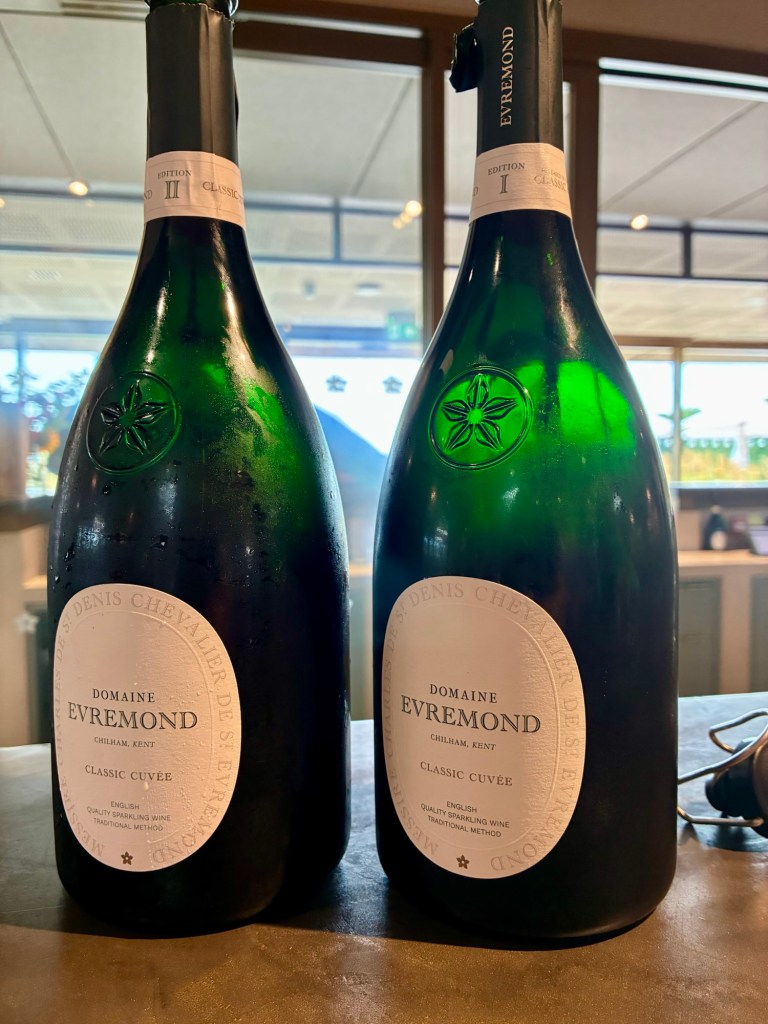
After multiple attempts this weekend to find a wine farm that is open and keen to welcome us, we finally (on our way back home) found Domaine Evremond, a very interesting winery, a partnership with Taittinger (one of the founders actually who believes the combination of chalk soils, climate and topography of their site in Kent are ideal for producing quality sparkling wine and are very similar to the terroir in Champagne). Proudly the first Champagne house to plant vineyards to grow wines in the UK.
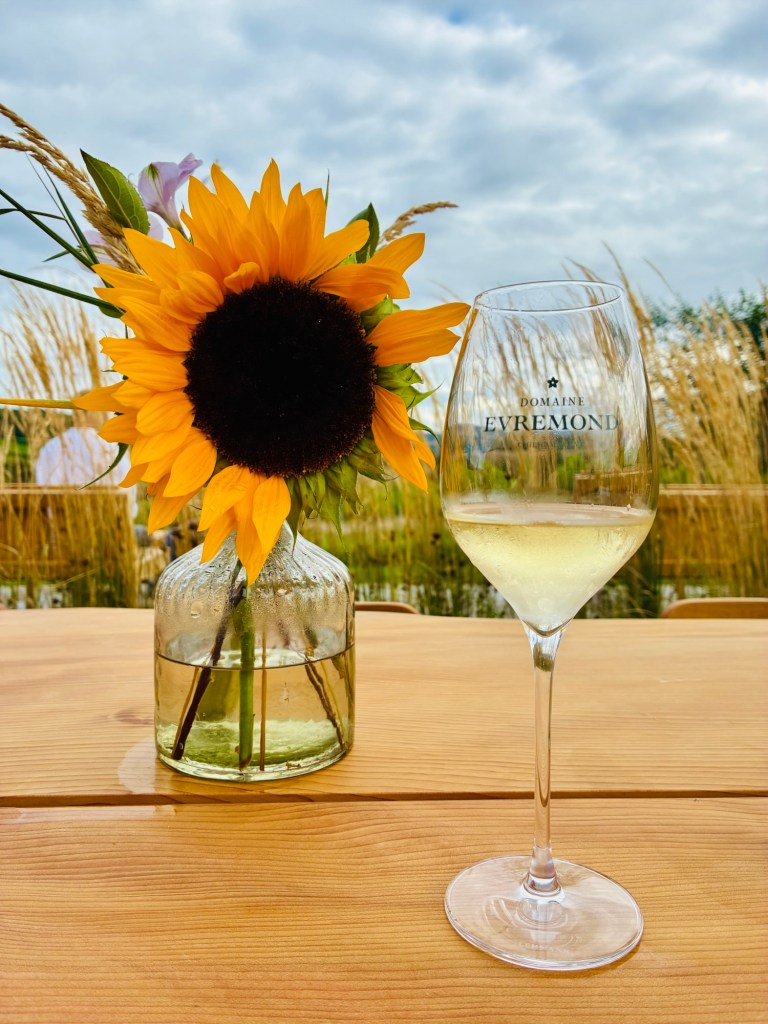
We started with a classic family debate where Gustav felt Domaine Evremond sounds prentious and I fundamentally disagreed. Not for a French speaking person, I don’t think.
‘Domaine” isn’t pretentious in French at all. It’s a perfectly ordinary word, particularly in the context of agriculture, land ownership and wine. ‘Domaine’ means an estate, property or area of land. In winemaking, it probably refers to a wine-producing estate, likely one that grows its own grapes and makes its own wine.
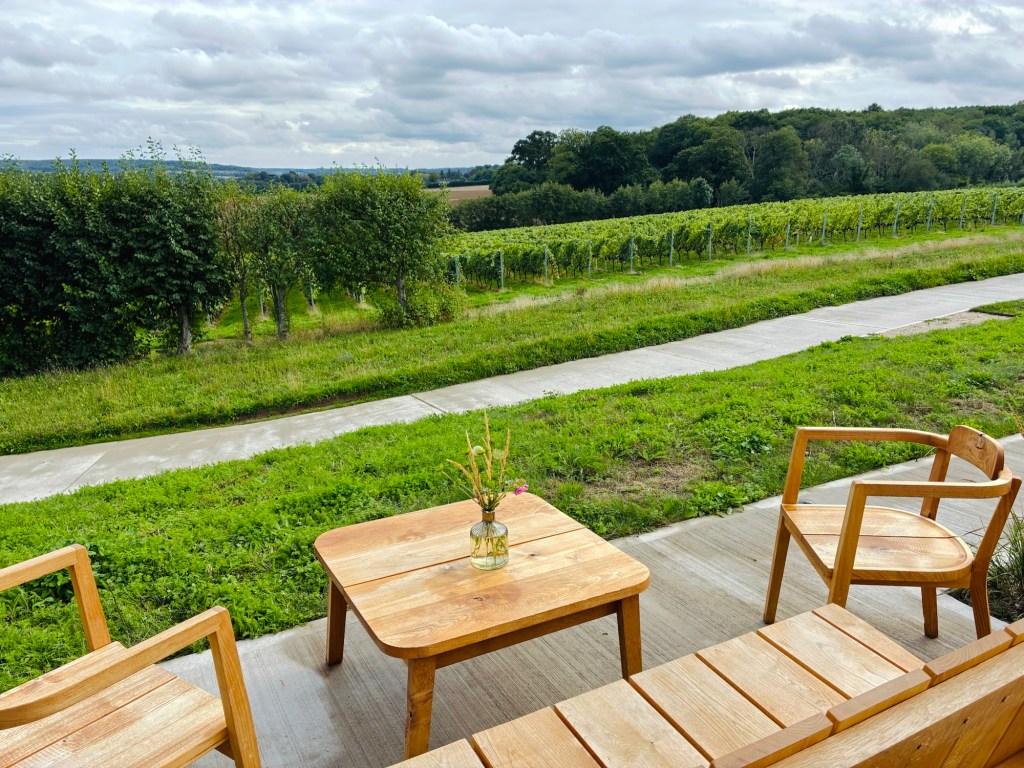
In France, domaine is a familiar, functional term. It doesn’t necessarily imply grandeur, luxury or exclusivity. A small family-owned vineyard can be a domaine. Not a chateaux 🙂
In Britain, because it’s a French word, it can sound more sophisticated or aspirational, particularly when used in branding. British consumers likely have a different association.
I’d say the perceived pretentiousness comes from the British interpretation of the French word, rather than from the word itself. Rant over.
To wrap up our weekend, I overheard a conversation making a very interesting historical observation (I am such a sucker for these things!). A lady working at Domaine Evremond was explaining how William the Conqueror is a much bigger figure in English national history than in French history.
In England, 1066 is one of the most famous dates in its history. William changed the monarchy, aristocracy, language, architecture and distribution of land. Every English schoolchild knows his story.
In France, however, William is primarily associated with Normandy (William was Norman, not French in the modern sense. Normandy was a duchy within the Kingdom of France, but William exercised considerable independence from the French king) so he is not a central figure in the history of France as a whole.
So someone from Normandy might be immensely proud of Guillaume le Conquérant, while someone from Paris or Provence might attach much less importance to him. In England however, he is a central figure.
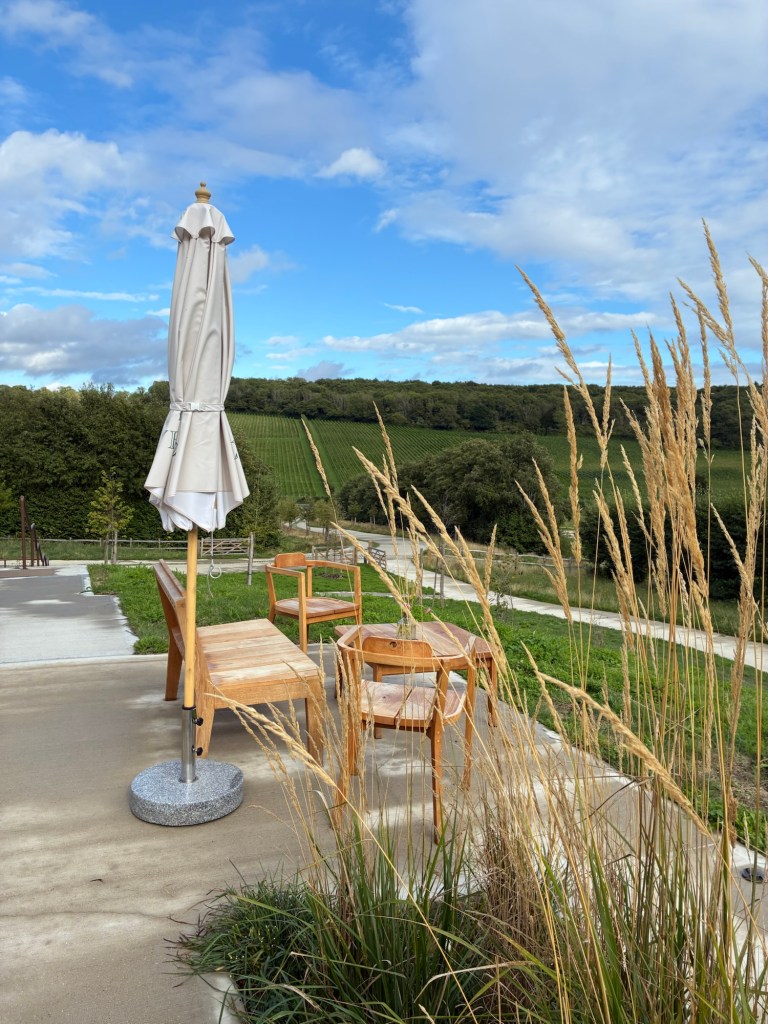
Chilham also has a castle with Norman origins, although the prominent mansion dates from the early 17th century. The church and castle are both part of a landscape shaped by centuries of Norman and later English history. This is probably what sparked the subject of William the Conqueror. And I am glad it did.

