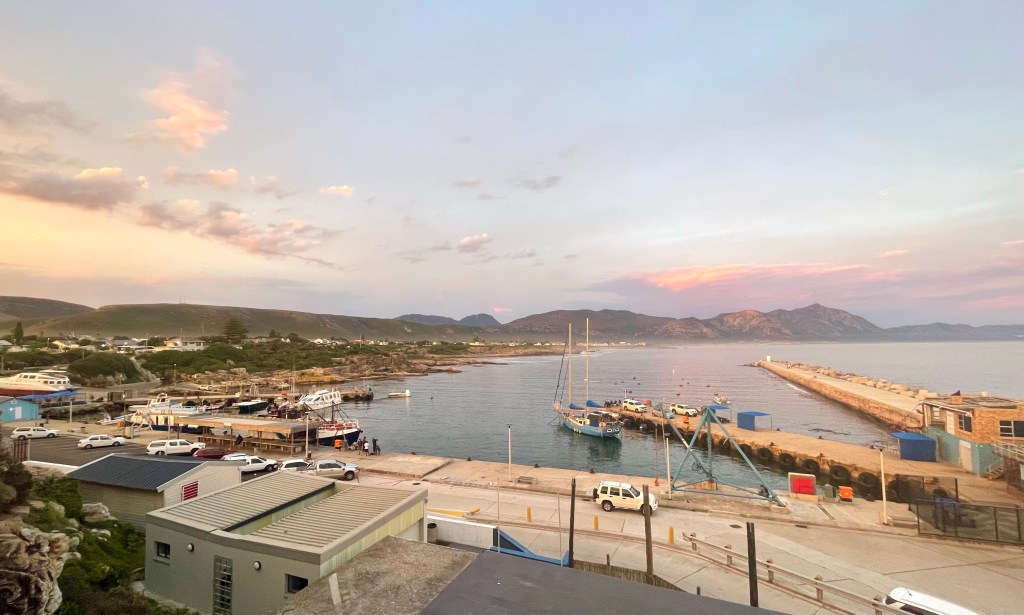
Day 14: to wrap up our trip, we returned to Hermanus for our final 6 nights in SA. We arrived just on time to head out to the Rock Restaurant in the new harbour to watch the sunset and enjoy some seafood. The view is just wow, truly spectacular, especially as the sun goes down.
Hermanus has an interesting history – Pre-1800s, before European settlers arrived, the area around Hermanus was inhabited by the Khoikhoi people, who lived off the land and sea. They moved seasonally, grazing livestock and harvesting coastal resources.
The village was funded in the 1800s and gets its name from Hermanus Pieters, a Dutch shepherd and teacher who settled here. When English became compulsory in the Cape, Dutch (Afrikaans) farmers founded their own schools and brought out teachers from Holland. Hermanus Pieters was brought by local families to teach their children.
He set out looking for grazing for his sheep and set camp at the edge of the cliffs beside a spring close to the spray from the waves breaking the rocks. A fresh water supply and and excellent grazing inspired Pieters’s safari with his flock down to the spring each summer. Folklore tells us the place became ‘Hermanus Pieters se Fonteyn’ (then shortened to ‘Hermanus’
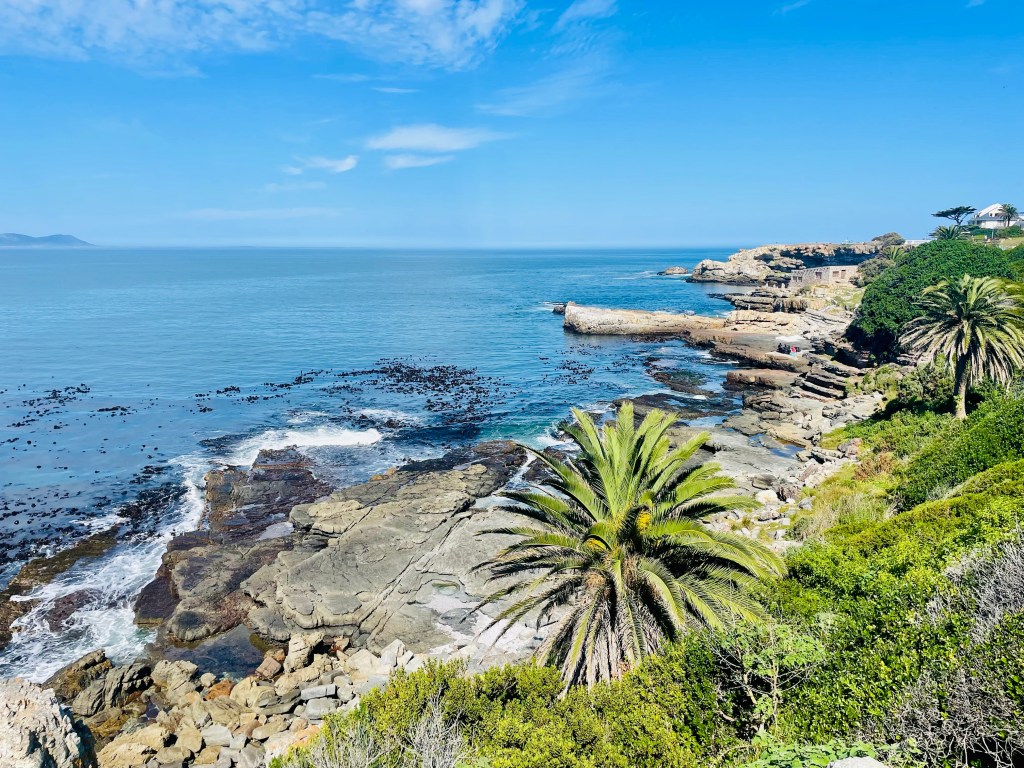
Day 15: Hermanus whale lookout, Marine tidal Pool and Grotto beach
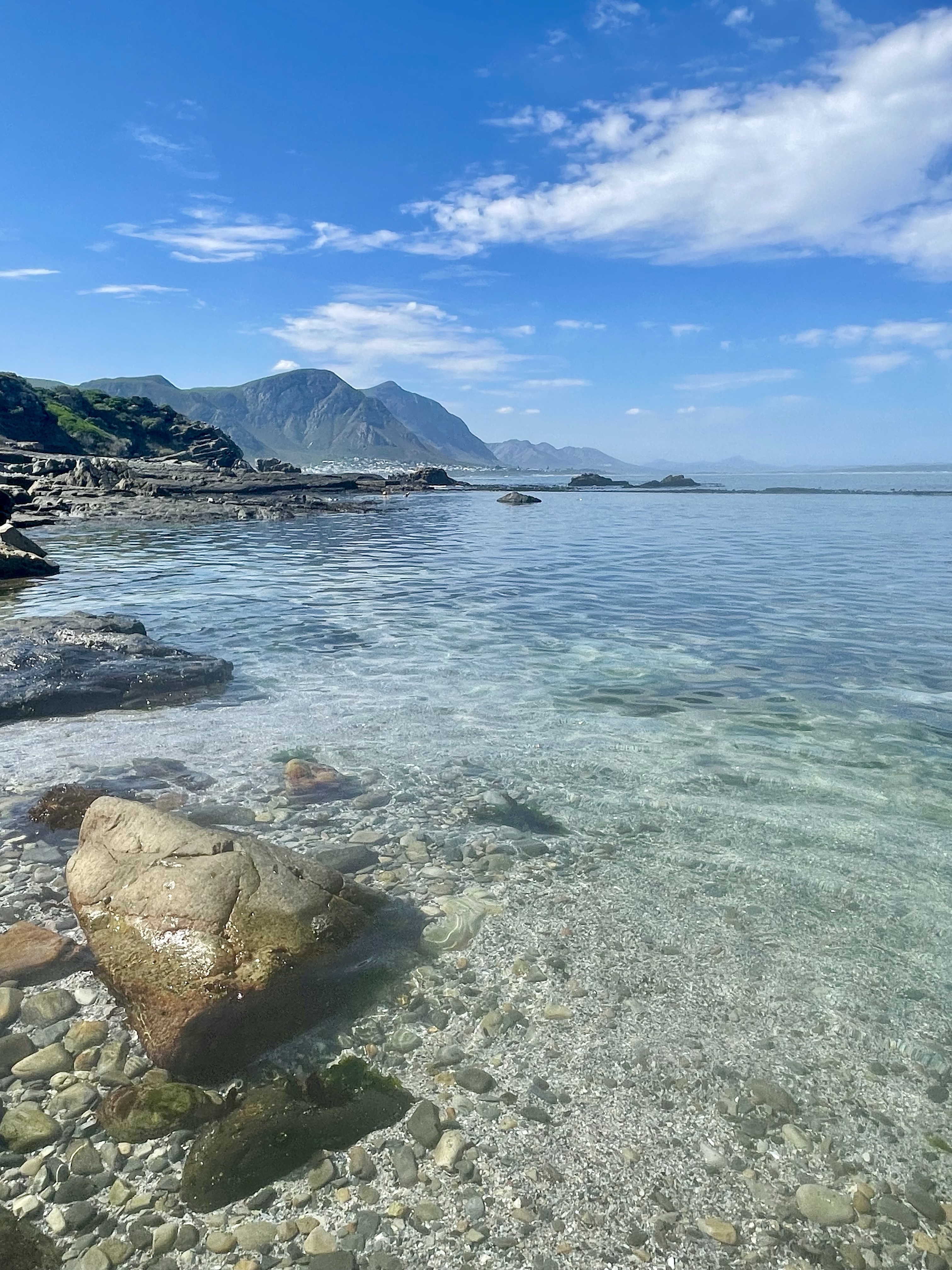
What a fantastic day we had, swimming in a natural pool (Marine – the old harbour tidal pool) and in the Atlantic (at Grotto Beach), both in the same day!
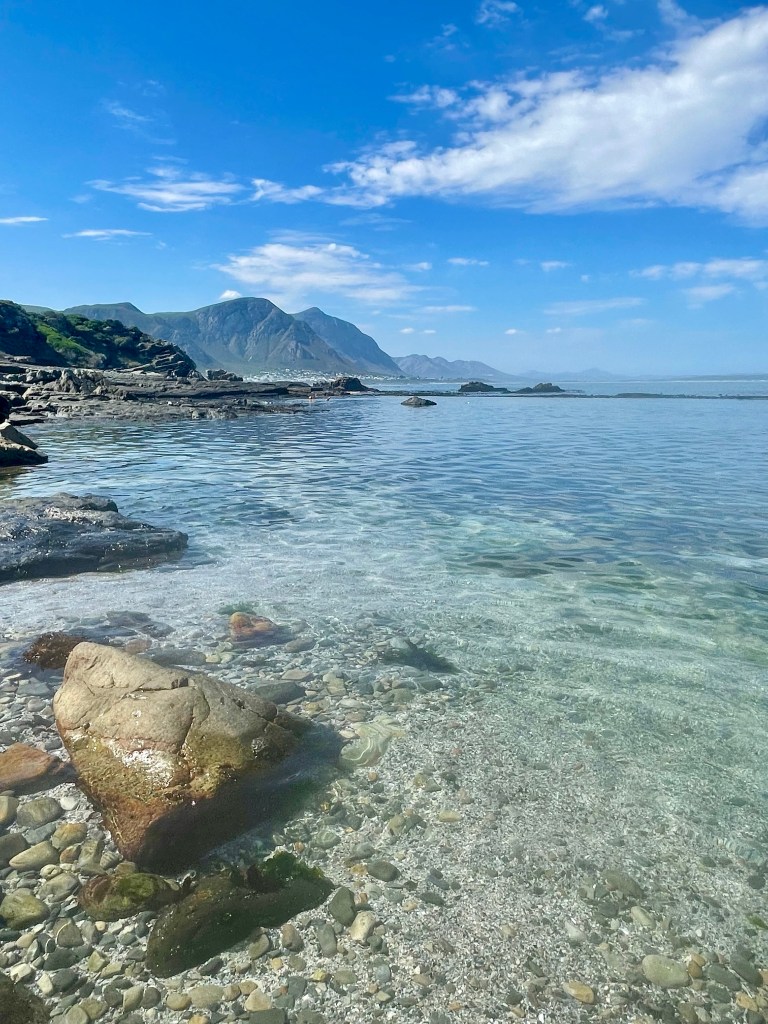
I expected the Marine tidal pool to be man-made, but looks like I was wrong.
The Marine Tidal Pool in Hermanus isn’t man-made in the usual sense.
It began as a natural depression in the coastal rock along the cliffs of Walker’s bay where seawater collects and is refreshed by the tides. Over time, locals recognised it as a safe swimming spot. The pool wasn’t a single “build project” but a gradual enhancement of a natural feature.
Day 16: Stony Point Penguin Colony, Spookfontein
Stony Point Penguin Colony is a protected coastal breeding site for African penguins on the edge of Bettys Bay. You can get very close and observe this endangered species at close range on land via raised boardwalks (less touristy than Boulders Beach).
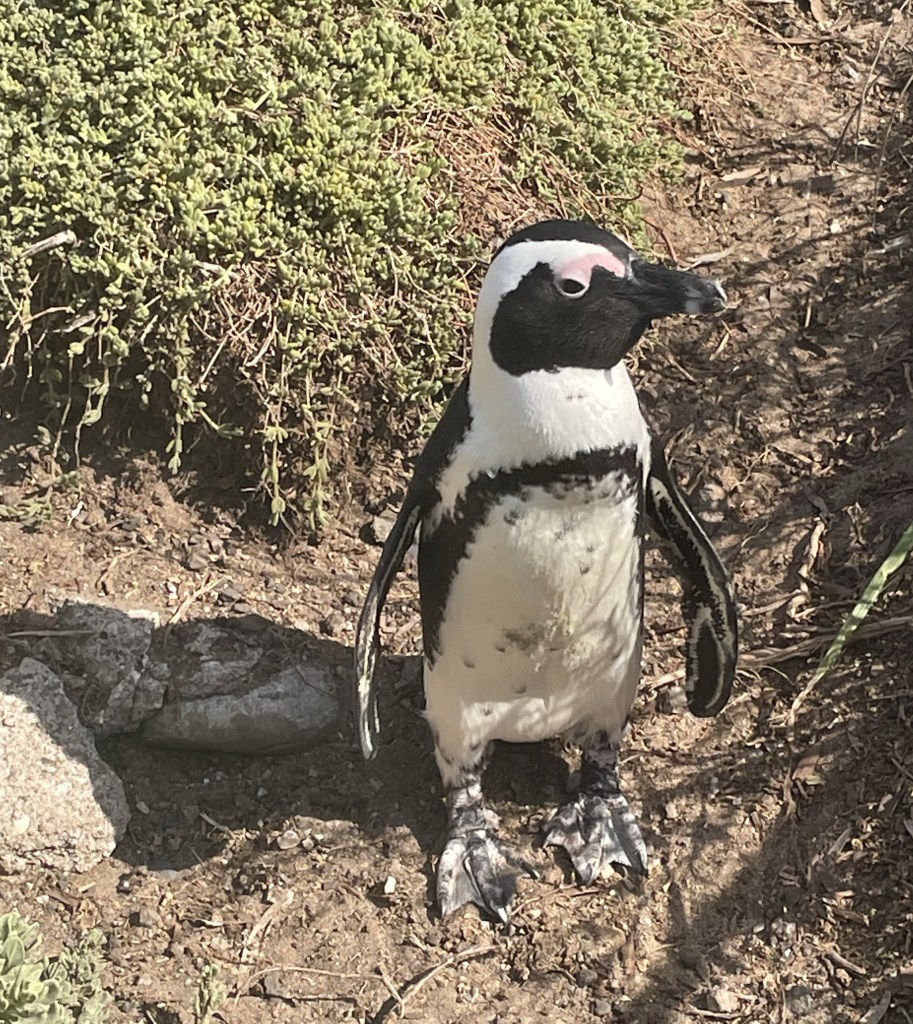
Current estimated wild African penguin population (2024–2025): ~8,000–10,000 breeding pairs (≈ 16,000–20,000 individual adult penguins)
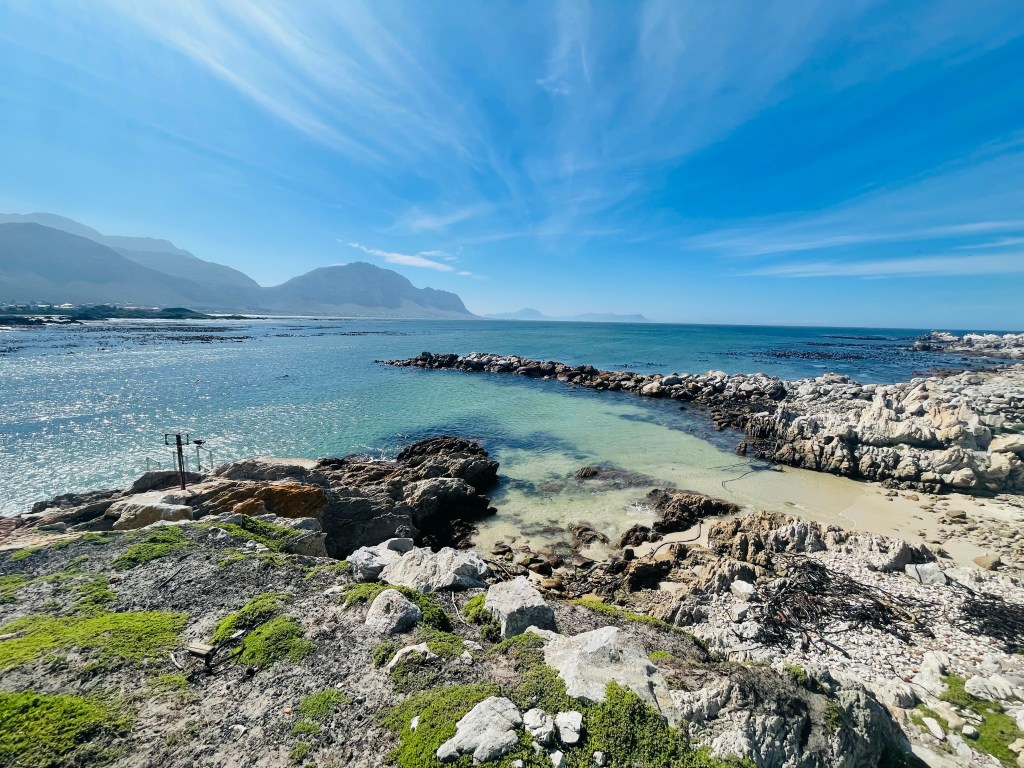
⚠️ Classified as Endangered with 5% of original African penguin population remaining (1M + in early 1900s).
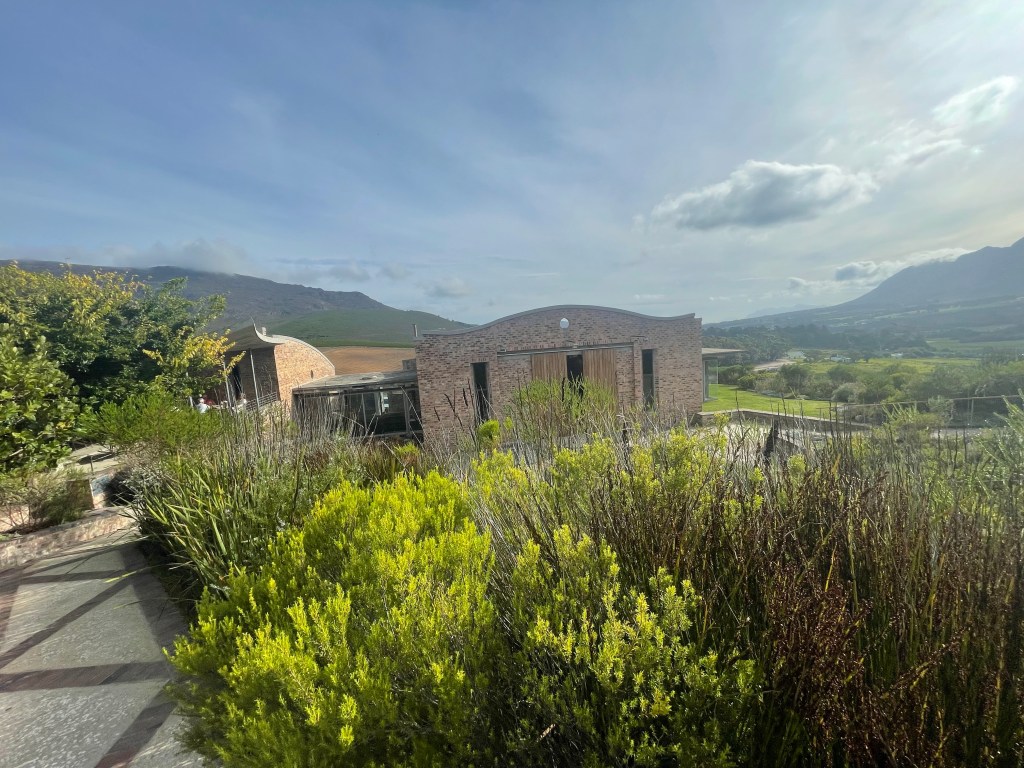
Our first stop after seeing the penguins was Spookfountain for wine tasting and lunch.
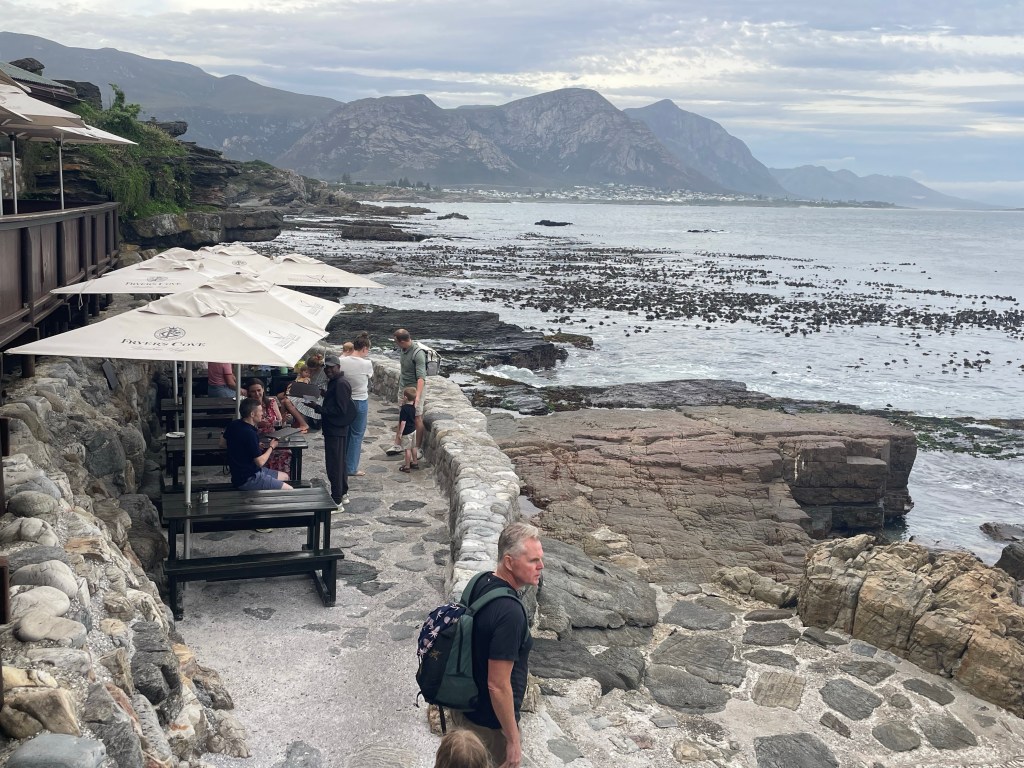
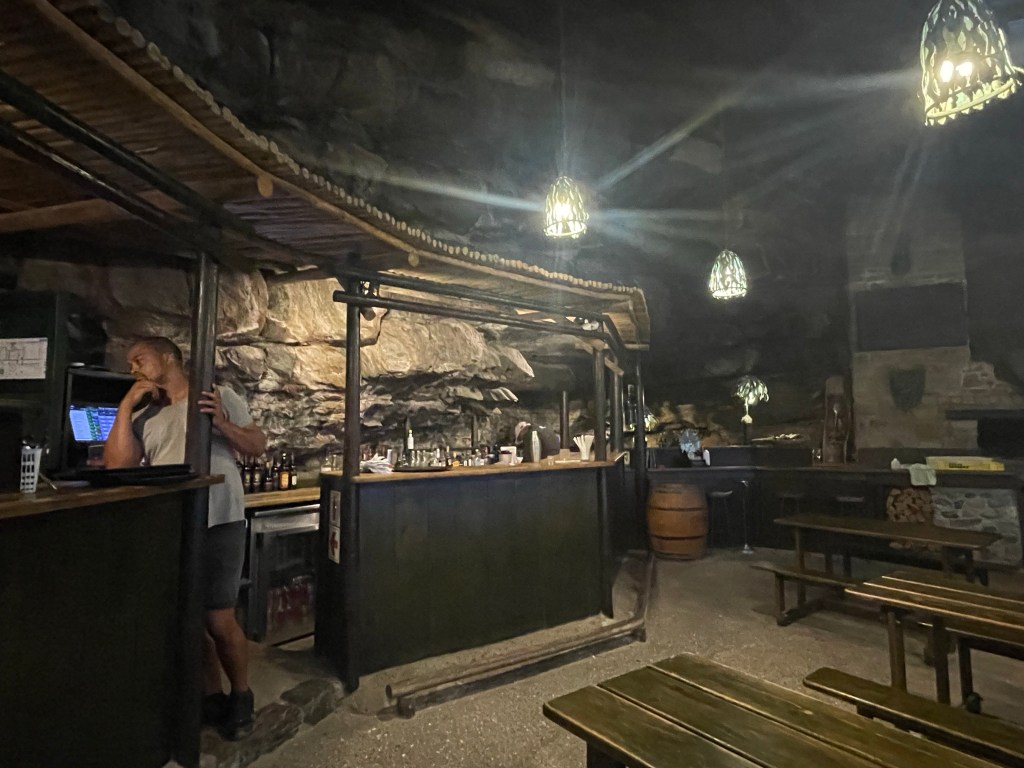
To wrap up the day we stopped at Bientang’s Cave is one of the most unique wine bars ever —literally built into a natural cave right on the ocean’s edge. The restaurant is set into a coastal cave carved into the cliffs of Hermanus with the ocean right below and waves crashing just meters away. This is a whale watching hotspot during season (June–Nov) 🐳
So who was Bientang?
The legend of Bientang is based on a story about the last known Khoikhoi strandloper who lived in the cave at the beginning of the 19th c. Bientang was believed to have supernatural powers and a spiritual affinity with nature and the whales. She drew water from a mountain stream which still runs beneath the staircase at the cave’s entrance and lived on fruit and vegetables from her garden and the fresh fish she caught from the rocks.
Day 17: Hermanus country market, Fick’s pool
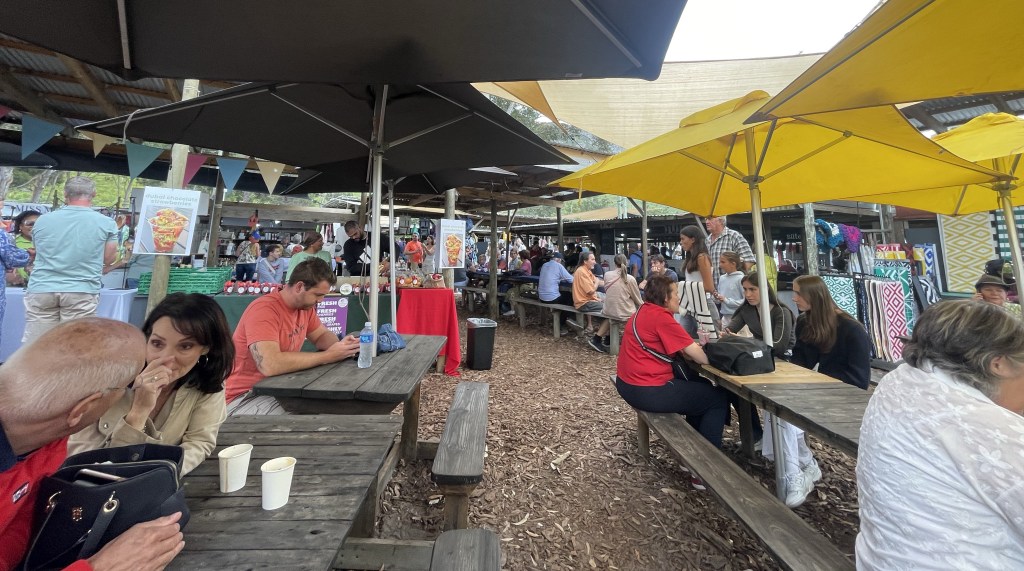
Hermanus Country market runs every Saturday so we went to check it out. A great brunch spot, more of a food market than a place for shopping, but we are not going to complain, we had the best breakfast.
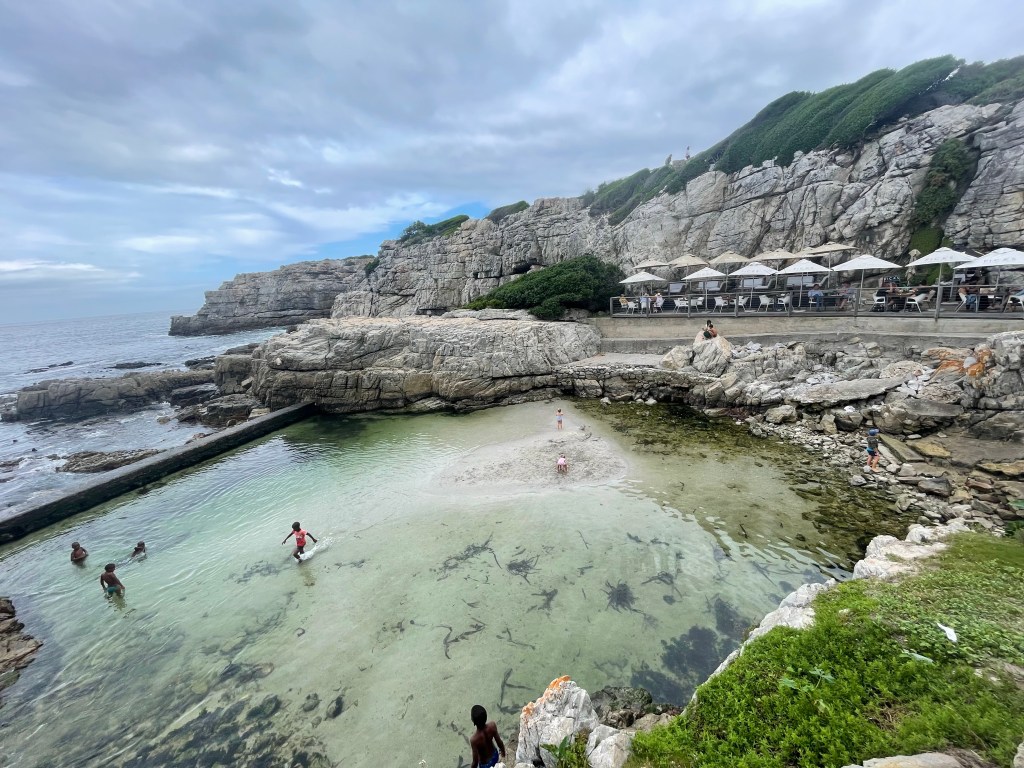
I read about Fick’s pool so I was keen to see it – we went for a few drinks with a view. A very picturesque spot, a tidal pool carved into the rock right at the ocean’s edge.
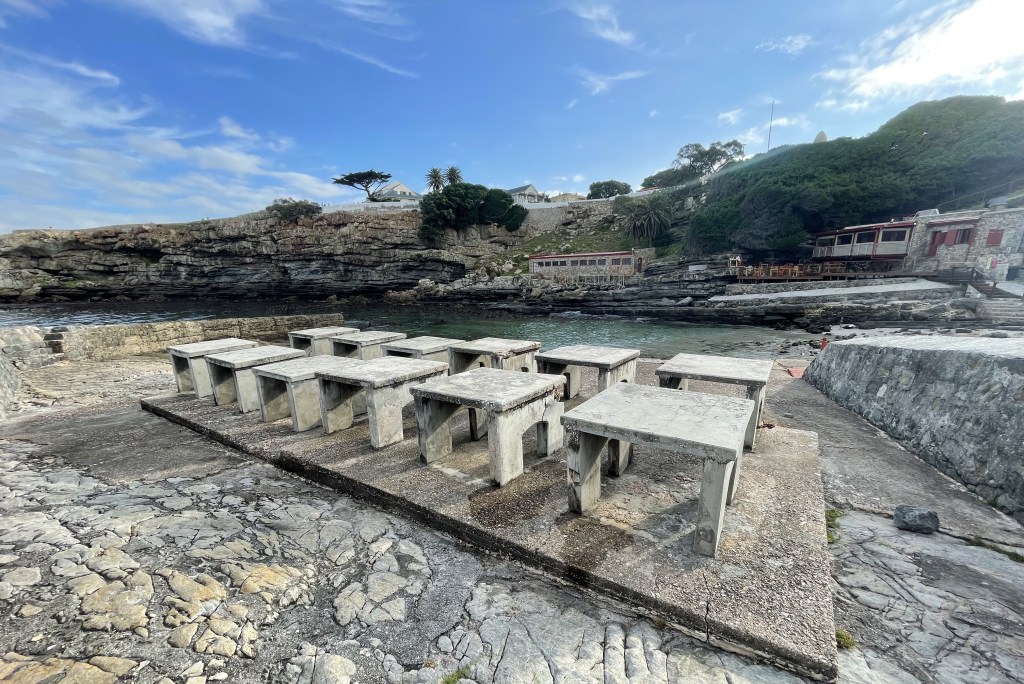
Abalone hatchery tables. These concrete blocks are old abalone sorting tables; they sit right on the shoreline so seawater could be easily accessed. The layout was designed for handling, cleaning, and grading perlemoen.
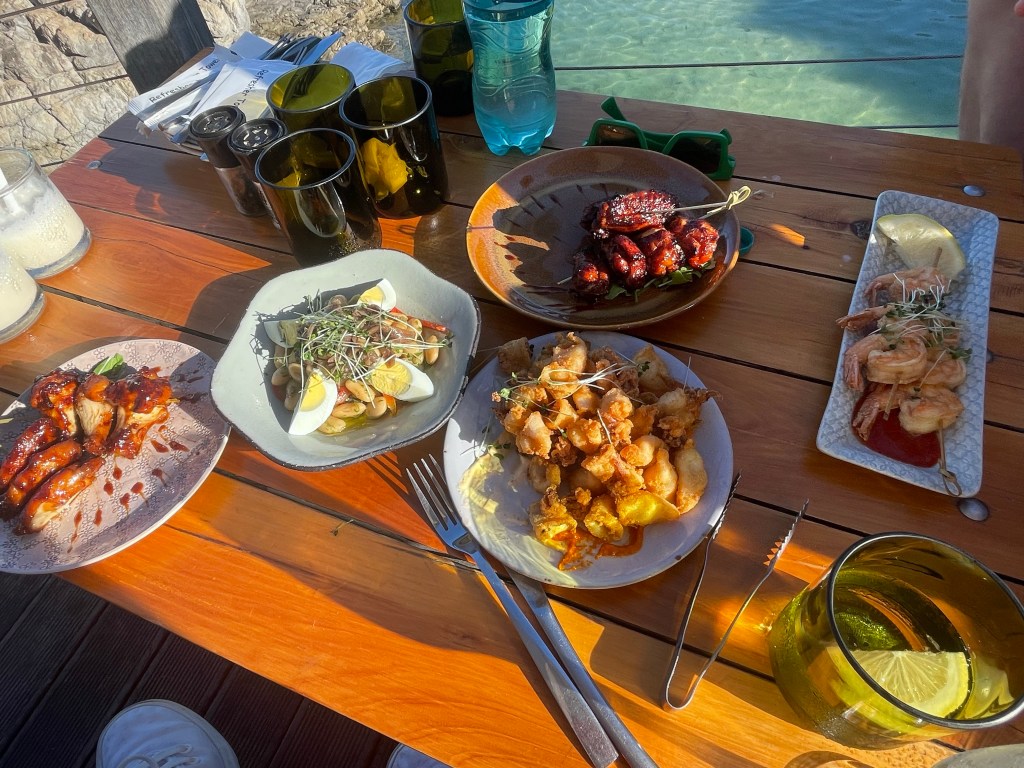
After a relaxed stroll along the waterfront in Hermanus, we had the tricky choice of deciding on our dinner spot- the Perlemoen scenic restaurant (1) and the hidden, off the main path, Fisherman’s cottage (2). Not an easy decision, but such a good problem to be had!
We chose the Fisherman’s cottage – a small, historic seafood restaurant right in the heart of Hermanus’ Old Harbour Village—one of the most atmospheric dining spots in town. Nicely hidden away from the main footfall area, it is part of the old fishermen’s village, it really gives you a feel for what these early cottages must have been like.
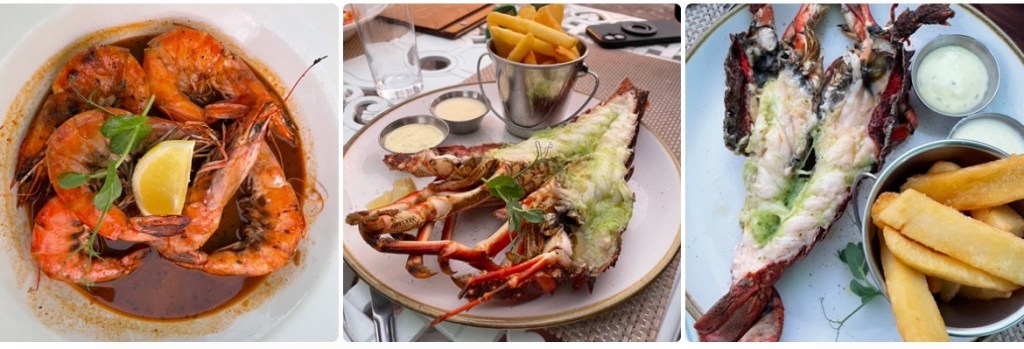
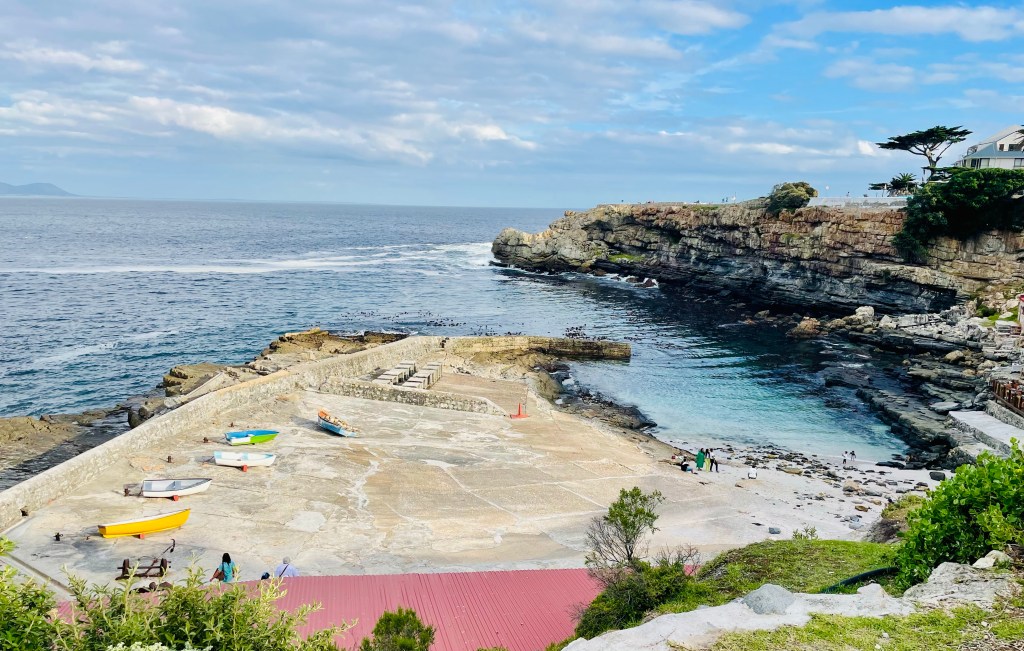
The site used to be Hermanus’ first abalone hatchery, adding a cool historical layer
Day 18: Hermanus cliff path, Fick’s pool
We first took a wander along the cliff path (Vermont to Onrus) and stopped for a swim at our local beach – Breakfast Bay beach (a small but scenic beach along the rocky shoreline with natural tidal pools surrounded by fynbos and coastal paths). We then found the ideal compromise, as the kids wanted more swimming and we wanted food and drinks – return to Fick’s pool!
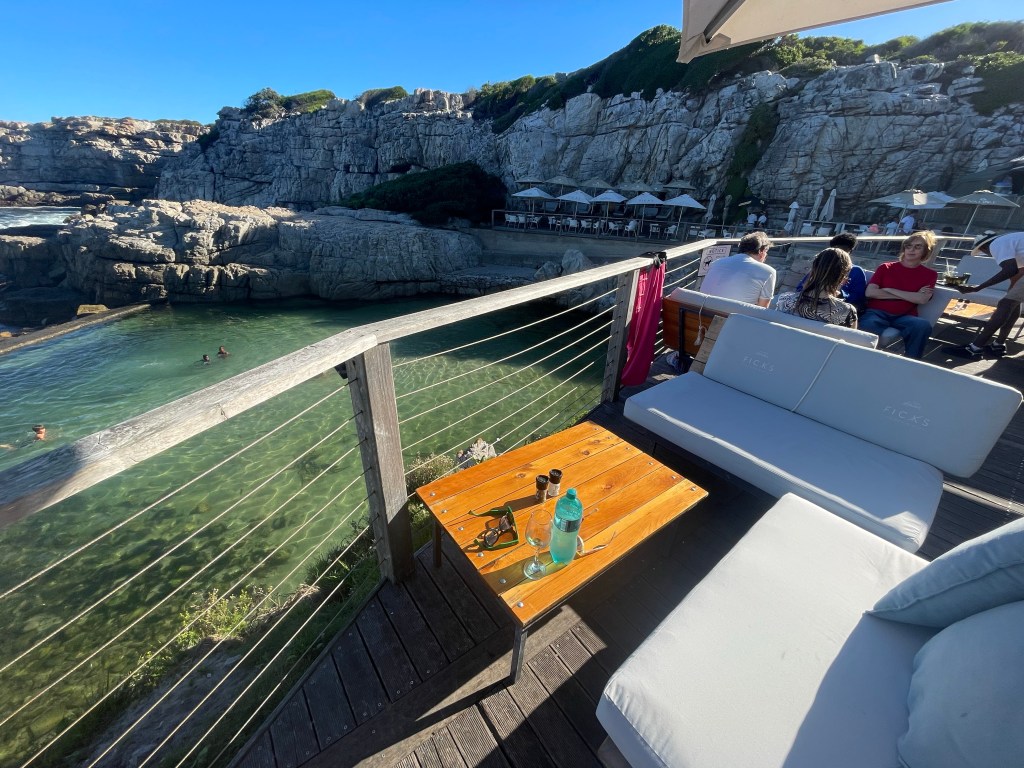
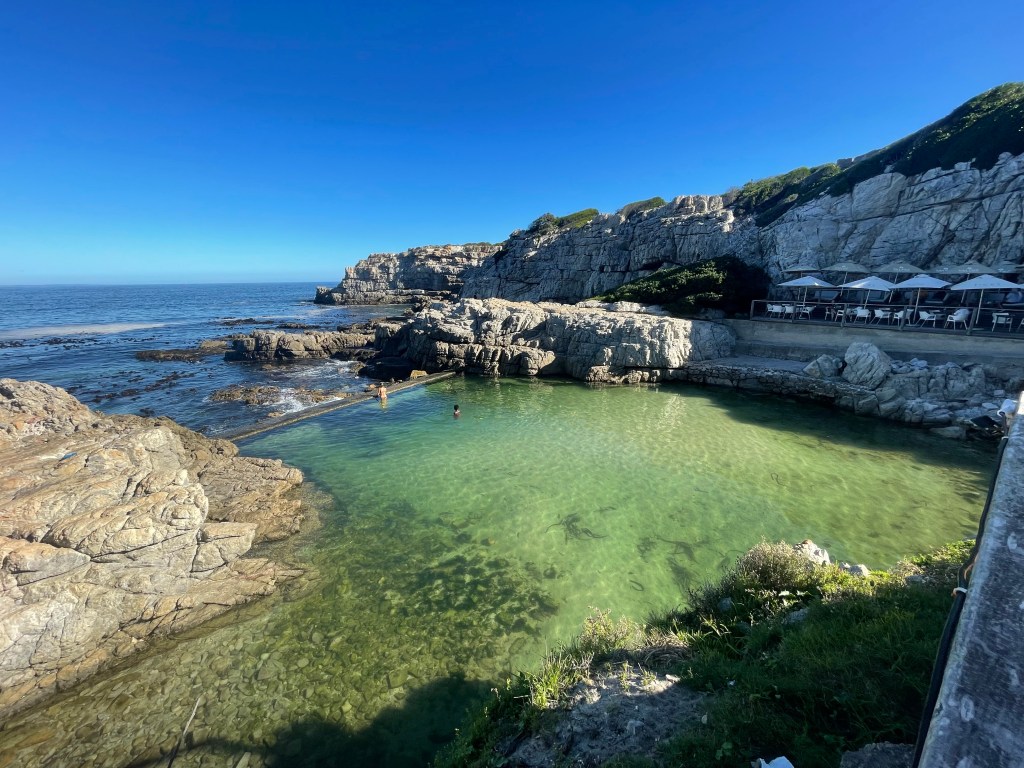
Day 19: Hermanus coastal paths, Perlemoen restaurant
Our last full day in Hermanus so we decided to walk another section of the coastal path from the Town Centre to Sievers Point. We would have liked to carry on, but we were running out of time before lunch.
Sievers Point is a scenic view point that marks a natural headland within the town’s protected coastal zone, with rocky cliffs meeting the Atlantic Ocean. The viewpoint is an unobstructed panorama of Walker Bay, framed by fynbos and backed by the mountains of the Overberg region. On clear days, you can spot marine life and passing seabirds close to shore.

